
- Home
- >
- Polyurethane round belt
Polyurethane round belt
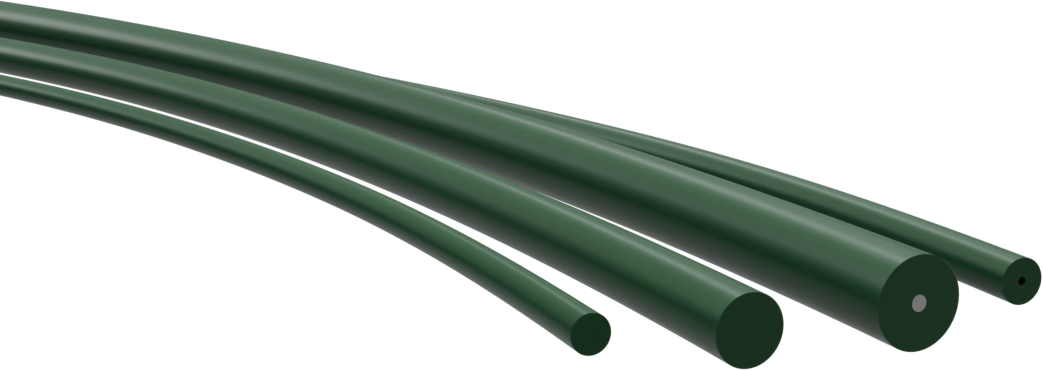
Heat-weldable polyurethane round belts are used for power transmission and conveying applications, including roller conveyors and compact systems.
Belting Skill manufactures heat-weldable polyurethane round belts, with or without reinforcement, for industrial applications.
Types of round belts
Belting Skill offers a wide range of polyurethane round belts developed to meet different application requirements.
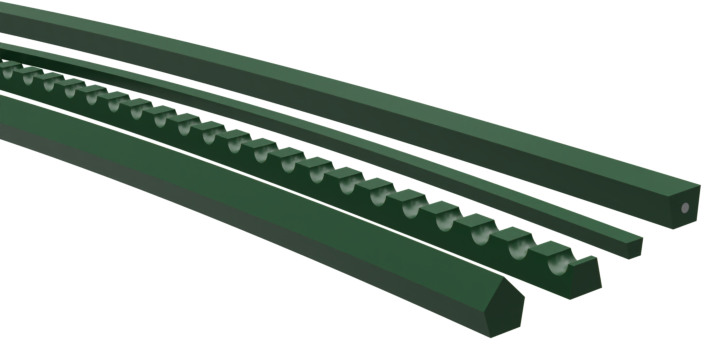
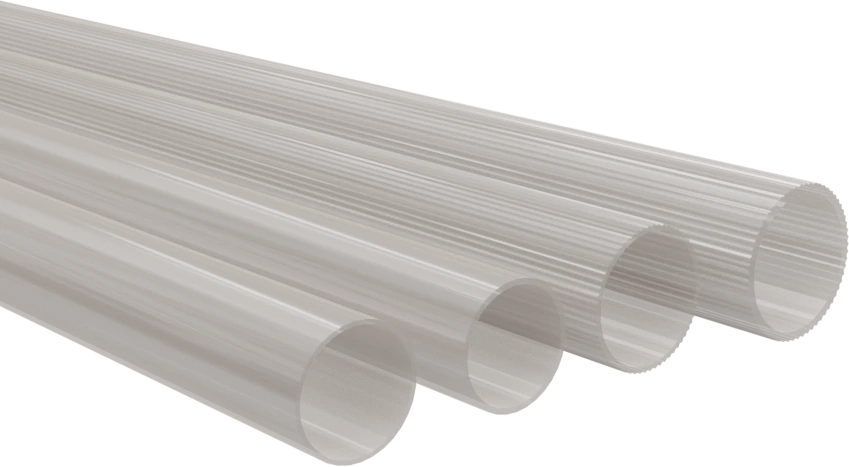
Embossed round belts


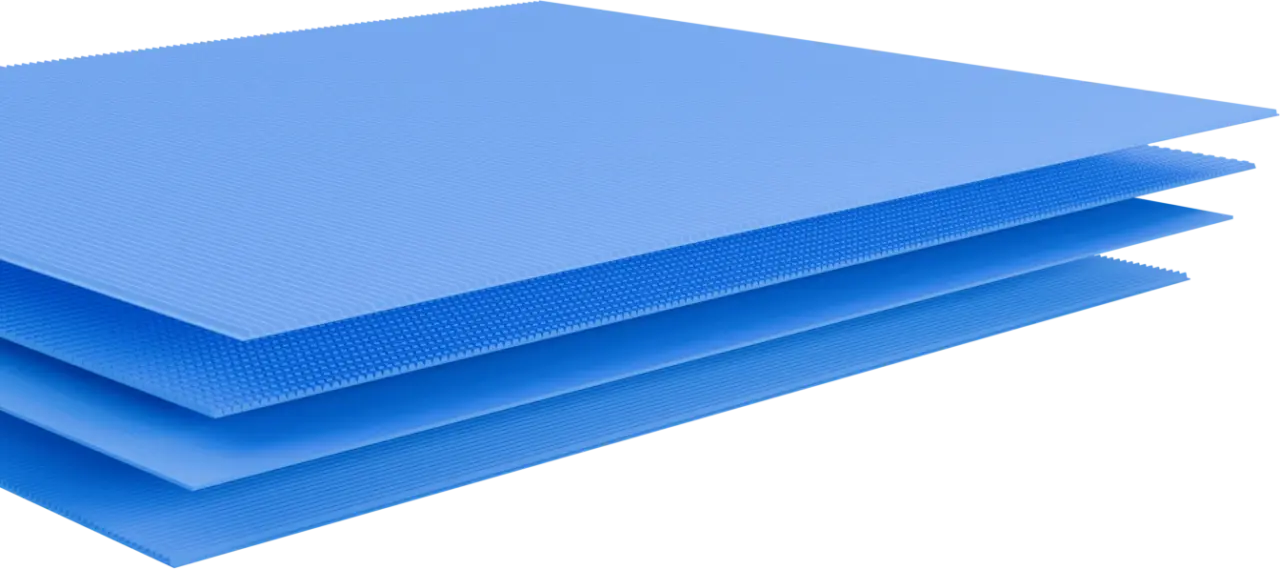
Smooth round belts
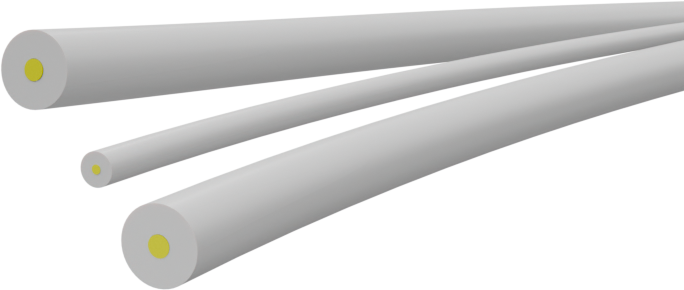

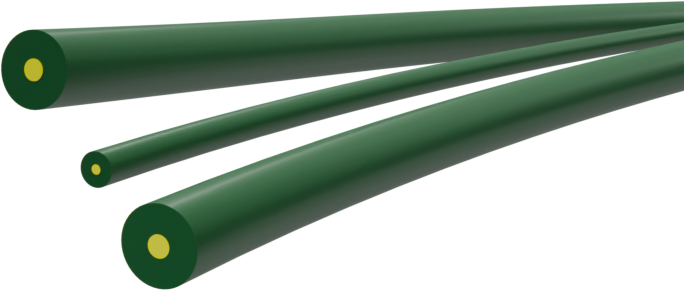
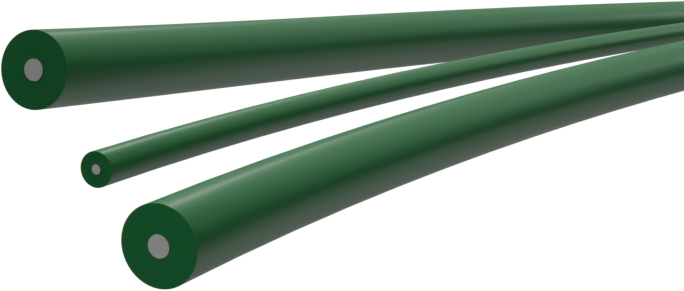
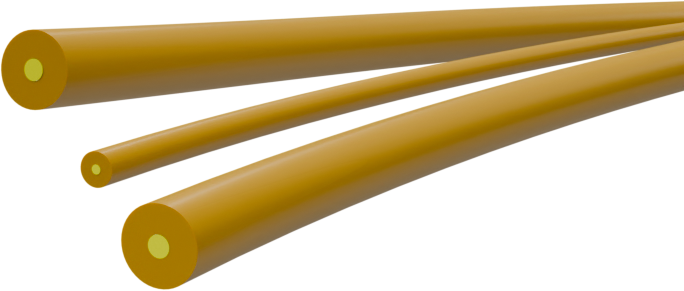
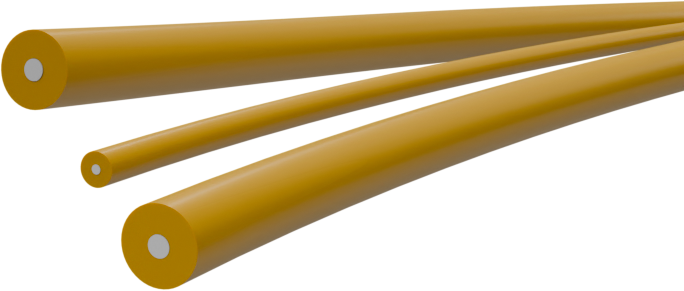
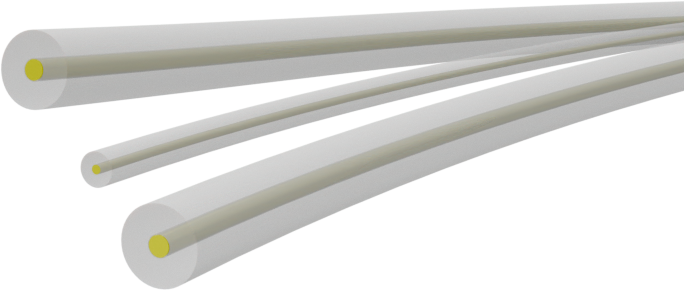
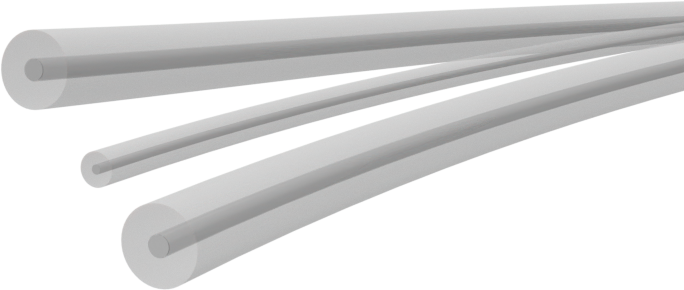
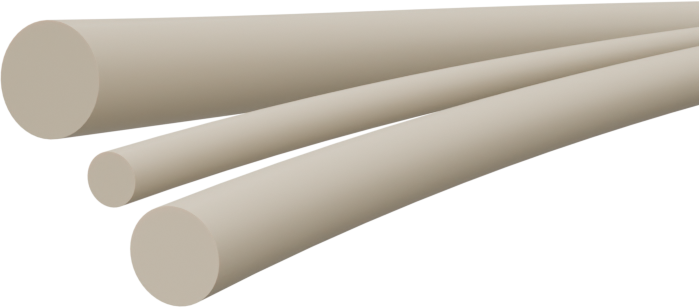
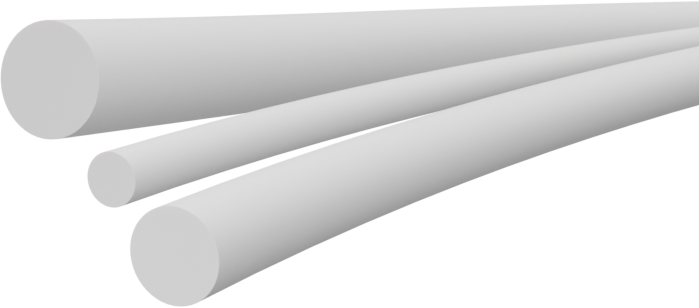
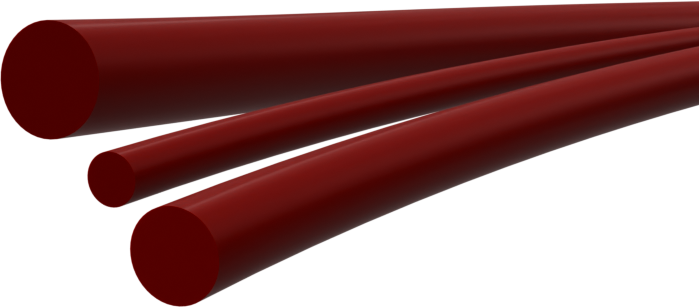
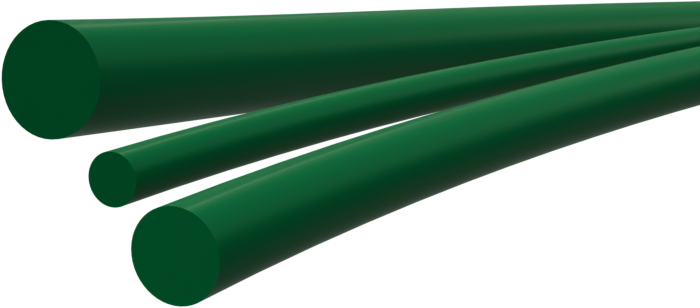
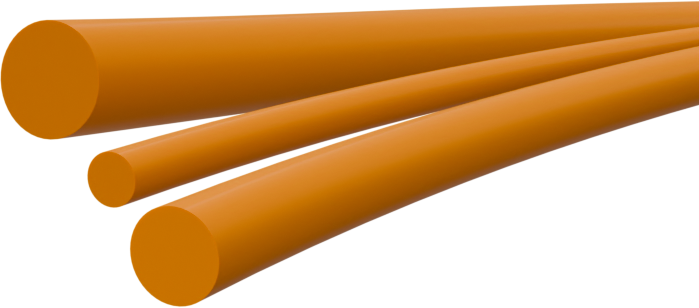
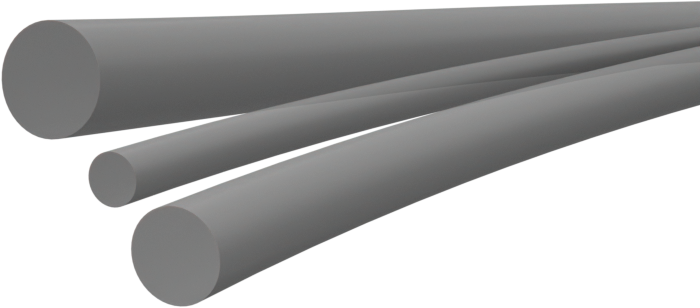
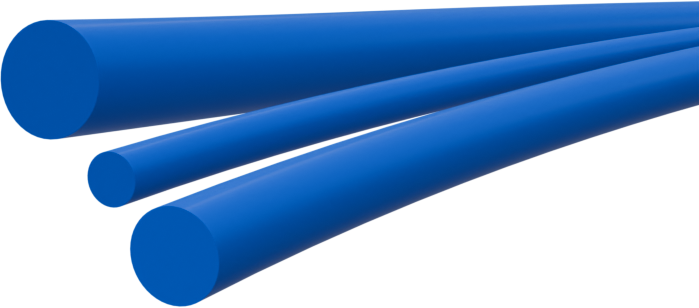
NOTES: Reinforced belts are not suitable for food-industry applications.
Each model is designed to ensure uniform power transmission and dimensional stability.
Round belts without reinforcement:
Available in diameters from 3 mm to 20 mm and in 100 or 50 m rolls
Reinforced round belts:
Available sizes: 6, 7, 8, 10, 12, 15, 18 and 20 mm
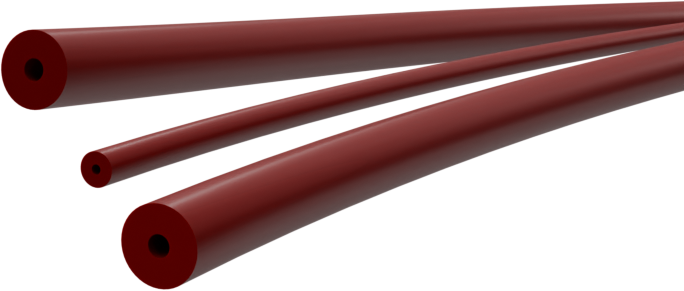
Hollow round belts:
Outside diameter ⌀ mm |
Inside diameter ⌀ mm (hole) |
5.0 |
2.2 |
6.0 |
2.2 |
8.0 |
3.2 |
10.0 |
3.2 |
12.0 |
3.2 |
15.0 |
3.2 |
18.0 |
3.2 |
Materials
Belting Skill heat-weldable polyurethane round belts are available in different materials to suit the operating conditions and application characteristics.
The range includes:
Standard polyurethane |
EU/FDA-compliant polyurethane for specific products |
Ester- or ether-based compounds |
Unreinforced versions |
Polyester-reinforced versions |
Aramid/Kevlar-reinforced versions |
This variety makes it possible to select the most suitable solution according to flexibility, resistance, operating environment and required performance.
Available diameters
The range includes round belts in different diameters, to be selected according to the model and application.
Depending on the product, the following are available:
Unreinforced versions from Ø 3 mm to Ø 20 mm |
Various reinforced versions from Ø 6 mm to Ø 20 mm |
Diameters varying according to Shore hardness, finish and reinforcement type |
Actual diameter availability must be verified for the individual model or in the relevant technical documentation.
Advantages of polyurethane round belts
Polyurethane round belts offer several technical advantages in power transmission and conveying applications:
 High elasticity |
 Uniform power transmission |
 Dimensional stability thanks to controlled tolerances |
 Resistance to oils, greases and chemicals |
 Reinforced configurations available for more demanding applications |
 Versatile use across different industries |
For specific requirements, the Belting Skill technical department develops custom solutions according to the system and application.
Configurations and customisations
Depending on the model and application, polyurethane round belts can be supplied with specific features, including:
Aramid fibres |
Metal-detectable version |
Special colours |
Compounds for high-temperature applications |
Food-contact versions (FDA) |
|
This flexibility makes it possible to identify the configuration best suited to the customer’s technical requirements and industry.
Industries and applications
Polyurethane round belts are used in numerous industries thanks to their versatility and the availability of different technical configurations.
Depending on their hardness, diameter and reinforcement, they can be used in:
 Food industry |
 Ceramics |
 Printing and paper |
 Logistics |
 Material handling |
|
Fabrication
The heat-weldability of polyurethane enables rapid endless joining.
Belting Skill® manufactures endless polyurethane belts in custom lengths, in both standard and reinforced versions.
The belts can be joined using butt welding or overlap welding.
FAQs about polyurethane round belts
What are polyurethane round belts used for?
They can be used for both power transmission and conveying.
Are reinforced versions available?
Yes, the range includes polyester- or Kevlar-reinforced models, as well as unreinforced versions.
Can polyurethane round belts be used without a tensioner?
Yes, thanks to their elasticity, they can also be used without a tensioner.
Are models available for food-industry applications?
FDA certification is available for certain products. Availability must be verified for the individual model.
How do I select the correct diameter?
The choice depends on the load, speed, system configuration and operating conditions. We recommend consulting the technical department to identify the most suitable model.